
Multi-Family & HOA
Multi-Family and HOA EV Charging in Sugar Land
Charging that a board can approve and a resident can be billed for, across Sugar Land, Sienna and Missouri City communities.
Bring a proposal to your board — (281) 870-2604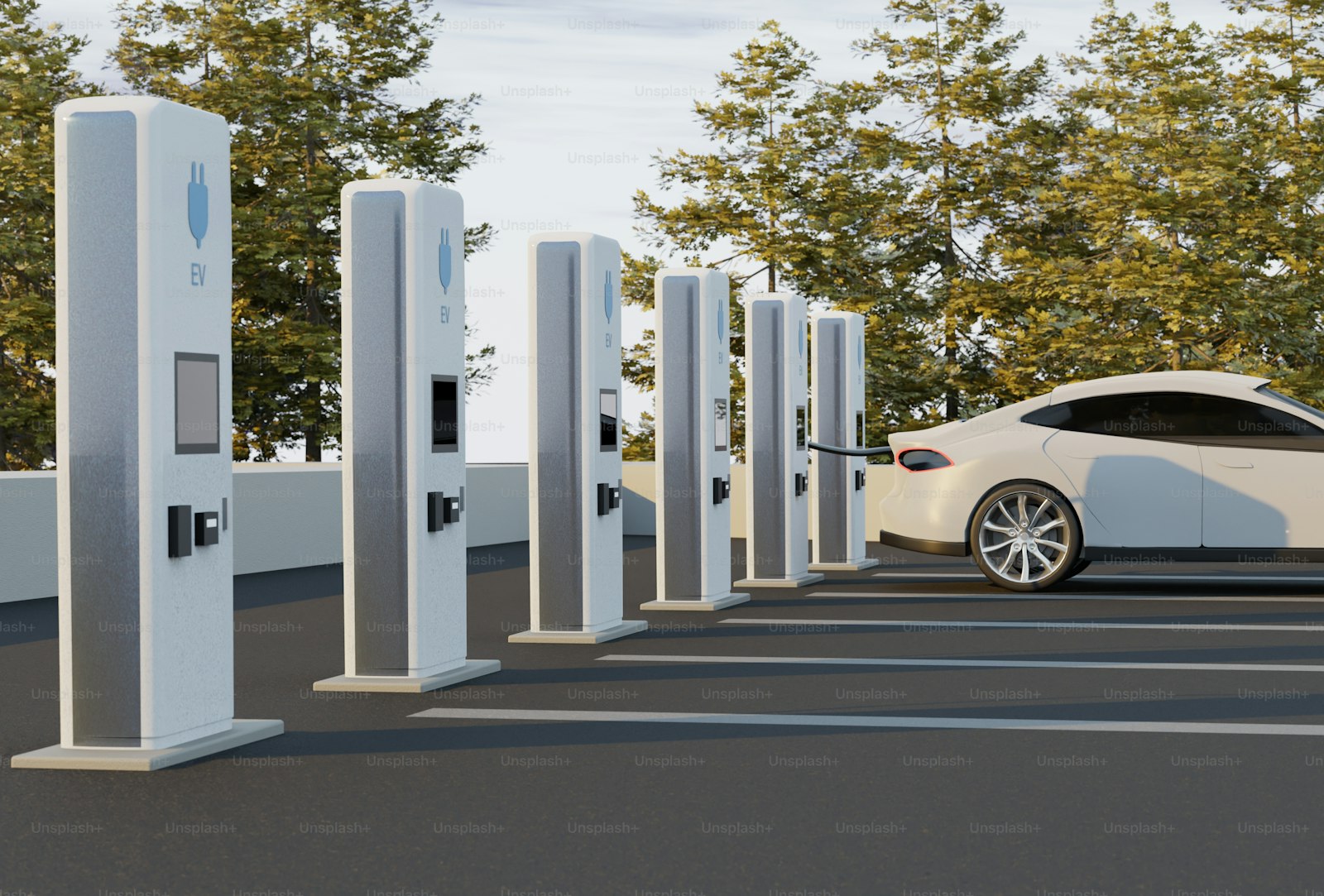
The Two Problems Every Community Hits
Multi-family and HOA EV charging in Sugar Land stalls on two questions, and neither of them is technical. The first is who pays for the electricity, and the second is what happens when the fourth resident wants a port. Sugar Land EV Charger Installation answers both in the design: metering so each session bills to the resident who used it, and load sharing so ports can be added without a new service every time. We work with condo associations, apartment ownership and HOA boards across the county, and a large part of the job is producing documentation a volunteer committee can read and vote on. The electrical work is the straightforward half.
What a Community Installation Covers
Shared-property charging has requirements a single-family garage never does.
Property-wide capacity study. We assess house panels, individual meters and available service to determine how many ports the community can carry and where they should live.
Resident metering and billing separation. Each port meters its own consumption so the cost lands on the right unit instead of the common-area account.
Load sharing across a shared feeder. Multiple ports coexist on one circuit, dividing available current dynamically so the feeder is never overdrawn.
Assigned-space and shared-space configurations. Whether a port serves one deeded space or a rotating group, access control and session limits are configured to match the community's rules.
Conduit infrastructure for future ports. We stub and size for the community's likely five-year demand so subsequent installations are incremental rather than disruptive.
Garage, carport and surface-lot installations. Each parking type has its own mounting, protection and routing requirements, and we handle all three.
Board-ready written proposals. Scope, phasing, cost allocation and billing mechanics are documented in plain language a committee can circulate and vote on.
Attendance at board or HOA meetings. We will present the proposal and answer questions directly, which is usually what moves a stalled vote.
Accessible-space and access-route compliance. Accessible charging spaces are laid out to requirement as part of the design rather than corrected afterward.
Physical protection and cable management. Bollards, wheel stops and retraction keep stations alive in a busy resident lot.
Permitting, inspection and management handover. Permits pulled and inspections attended, then property management is trained on resets, reporting and how to onboard a new resident.
How it works
From First Resident Request to Live Ports
STEP 1
Walk the property and study capacity
We survey the parking, the house panels and the service, and establish what is possible and at what cost per port. You get a written summary covering the realistic options, including the cheap one. Boards need that document before anything else can happen.
STEP 2
Proposal, meeting, approval
We turn the study into a proposal written for non-technical readers, with phasing and cost allocation spelled out. If it helps, we attend the meeting and take questions. Once approved we permit the work and schedule around resident parking.
STEP 3
Install, meter, hand over
Infrastructure and stations go in with spaces taken out of service in small groups. Metering and load sharing are configured and tested, then management receives the access credentials, the billing setup and a walkthrough of adding the next resident.
Why Boards Get Further With Us
We write for the committee, not the engineer
The reason most community charging proposals die is that nobody on the board can evaluate them. Ours are written to be read, voted on and understood by residents who will ask about their bill.
Billing lands where it should
Metering per port is designed in from the start, so the association is never quietly subsidizing a handful of drivers out of common-area funds.
The fifth port is already planned for
We size the feeder and the conduit for demand you do not have yet. That is what keeps the second phase from costing as much as the first.
- TDLR-Licensed & Insured
- Written Phased Pricing
- Board Presentations Included
- Metered and Load-Shared Systems
Get Something Your Board Can Vote On
If residents are asking and the board has nothing concrete in front of it, the study is the piece that breaks the deadlock. We will walk the property and put the options in writing. Then the decision is a decision rather than a debate.
(281) 870-2604 — request a property study